
What is vinyl wrap?
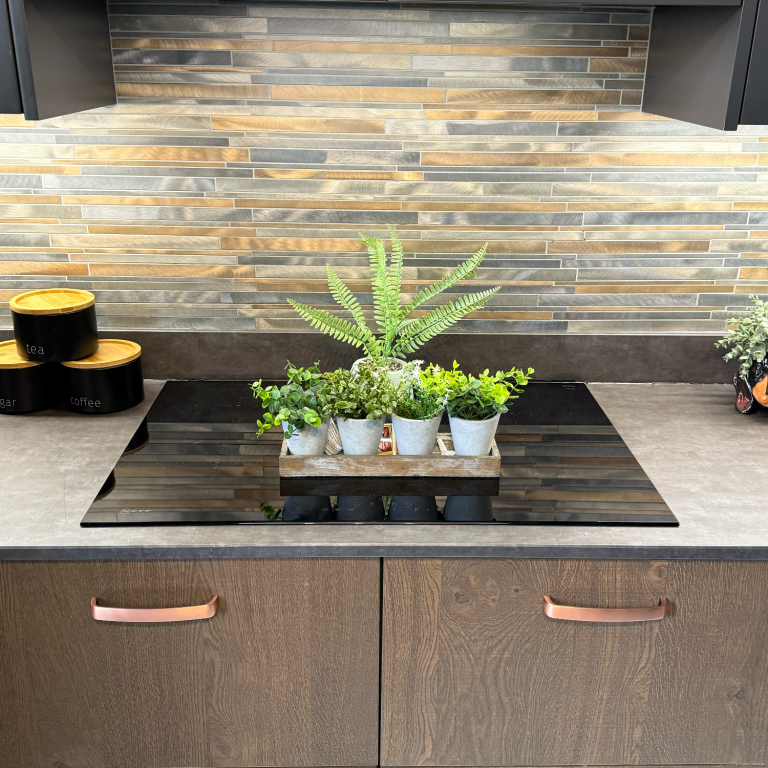
Vinyl wrapping: it’s everywhere these days. From eye-catching cars cruising down the motorway to kitchen cabinets getting a makeover, vinyl wraps have become the go-to solution for people looking to add style, personality and protection to just about anything. But have you ever wondered where it all started? Let’s take a look at the fascinating history of vinyl wrapping whilst also exploring the endless possibilities this transformative material offers.
At Refinyl, we use premium vinyl from leading brands to achieve stunning, factory-like results. Whether you want to refresh a tired kitchen, update your furniture, or modernise a commercial space, vinyl wrapping is an affordable, sustainable, and stylish way to transform any surface.
The Humble Beginnings of Vinyl
Let’s rewind to the 1920s, when vinyl (also known as PVC) was first invented. Short for polyvinyl chloride, this wonder material was discovered almost by accident – as many brilliant things are. Scientists in Germany were trying to create synthetic alternatives to natural materials and stumbled upon PVC’s unique properties: durability, flexibility and water resistance. Little did they know, this plastic would eventually take over the world of wraps.
Fast-forward to the 1950s, when vinyl was first used in commercial applications. It initially appeared as a protective layer for industrial surfaces and advertising signs. But as technology improved and vinyl became more accessible, its uses began to expand. The idea of wrapping objects in vinyl? That came a bit later, and we have the automotive world to thank for it.
The more sustainable option, reduce waste by upgrading instead of replacing
Did you know that based on UK housing and renovation statistics, it is estimated that approximately 400,000 to 1.3 million tonnes of waste are created from replacing kitchens in the UK per year?
Choose vinyl wrapping
- Cost-effective - A fraction of the price of a new kitchen, saving over 70% on average
- The Eco-friendly option - Reduce waste by upgrading instead of replacing
- Minimal disruption - No weeks of construction of or mess, usually completed in a maximum of 5 days
- Custom finishes - From modern matt colours to classic wood grains, we cover over 1000 designs
Our suppliers